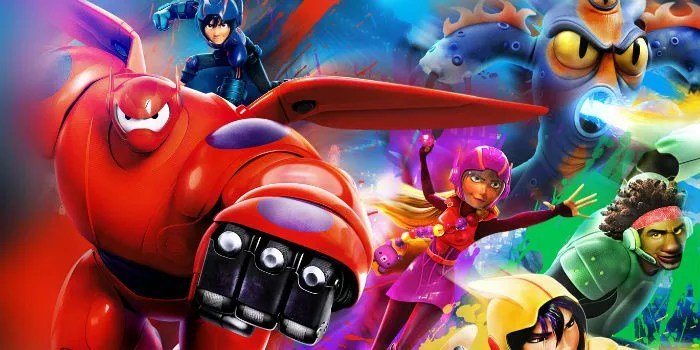
Ten years. A full decade has passed since Walt Disney Animation Studios unleashed Big Hero 6 upon the world, and yet, the clamor for its big-screen return remains as strong as ever. As we celebrate its 10th anniversary in 2024, it’s more critical than ever to ask: Why Big Hero 6 deserves a sequel and a future franchise. This isn't just fan nostalgia; it's a compelling argument rooted in creative potential, enduring popularity, and a proven track record.
This isn't about simply wanting more of a good thing. It's about recognizing the vast, untapped storytelling potential, the rich characters, and the meticulously crafted world that are all begging for further exploration. Big Hero 6 wasn't just another animated film; it was a phenomenon that captured hearts, minds, and an Academy Award.
At a Glance: Why Big Hero 6 Needs to Fly Again
- Undeniable Success: An Oscar winner and box office hit ($650M+), proving its broad appeal.
- Rich World-Building: San Fransokyo is a vibrant, unique setting with endless story possibilities.
- Deeply Relatable Characters: Hiro, Baymax, and the team offer ongoing emotional and heroic arcs.
- Enduring Themes: Grief, innovation, family, and heroism resonate universally.
- Proven Franchise Potential: Successful TV series and theme park presence confirm sustained interest.
- A Decade of Demand: The 10th anniversary highlights a loyal, eager fanbase.
- Unique Blend of Marvel & Disney: A distinctive tone that sets it apart.
A Decade of Delight: Why Big Hero 6 Still Captivates
Released on November 7, 2014, Big Hero 6 wasn't just a movie; it was a cultural event. It quickly garnered critical acclaim, securing the Best Animated Feature award at the 87th Academy Awards, a testament to its narrative depth, stunning animation, and emotional resonance. Financially, it was a juggernaut, grossing over $650 million worldwide, cementing its place as a major success for Disney.
But numbers alone don't tell the full story. What truly cemented Big Hero 6's legacy was its heart. The film struck a delicate balance between exhilarating superhero action and poignant emotional storytelling, particularly in its exploration of grief and the healing power of connection. Central to this emotional core was Baymax, the inflatable healthcare companion whose gentle demeanor and unwavering loyalty made him an instant, iconic character. It's no wonder Baymax has become one of Disney’s most popular characters, beloved for his empathy, humor, and utterly unique design. His popularity alone is a powerful argument for bringing the team back to the big screen.
San Fransokyo's Untapped Potential: A World Begging for More
One of Big Hero 6's most brilliant creations is its setting: San Fransokyo. This breathtaking fusion of San Francisco and Tokyo isn't merely a backdrop; it's a character in itself, a vivid metropolis brimming with technological marvels, cultural nuances, and hidden corners.
The Seamless Blend of Cultures and Tech
Imagine the Golden Gate Bridge adorned with traditional Japanese architectural elements, or a cable car whizzing past neon-lit skyscrapers that echo Shibuya crossing. San Fransokyo provides an unparalleled visual playground, a city where cutting-edge robotics labs coexist with bustling ramen shops. This unique aesthetic is a powerful asset, offering a visually distinct universe unlike any other in Disney's animated canon. It's a testament to the world-building prowess of the original film, a foundation ripe for further exploration without losing its distinct identity.
Beyond the Surface: Layers of Innovation and Society
The film only scratched the surface of what San Fransokyo has to offer. What other advanced technologies are being developed? What underground societies or futuristic subcultures thrive within its sprawling districts? A sequel could delve deeper into the city's infrastructure, its economic divides, or even its unique political landscape. We could explore the ethical implications of advanced AI beyond what we saw with Callaghan's microbots or Hiro's own inventions. This city holds secrets, innovations, and challenges that could fuel countless new adventures for our heroes.
Our Heroes, Our Family: Why the Big Hero 6 Team Deserves a New Chapter
At the heart of any great story are its characters, and Big Hero 6 boasts a roster that is both deeply relatable and incredibly dynamic. The journey of Hiro Hamada and his unlikely band of heroes is far from over.
Hiro's Lingering Journey: Grief, Growth, and Leadership
Hiro Hamada began his journey as a cynical, grief-stricken prodigy. By the end of the film, he had found a new family and a purpose, but his arc of dealing with loss and stepping into leadership is a complex one. A sequel could explore Hiro's continued maturation, the challenges of leading a superhero team while still being a teenager, and his ongoing relationship with the memory of his brother, Tadashi. How does he balance his scientific curiosity with his heroic responsibilities? What new ethical dilemmas arise as he pushes the boundaries of technology? His emotional journey still has many chapters waiting to be written.
Baymax: The Heart of the Matter, and Infinite Possibilities
Baymax isn't just a robot; he's the emotional core of the team. His programming dictates he heal, but his interactions with Hiro have taught him about empathy, sacrifice, and the nuances of human emotion. The Baymax! series on Disney+ demonstrated his incredible versatility and heartwarming solo adventures, but seeing him evolve further within the team context, specifically responding to larger threats and more complex human needs, would be a welcome return to form. His gentle wisdom offers endless opportunities for both humor and profound moments.
The Diverse Supporting Cast: Go Go, Honey Lemon, Wasabi, Fred
Each member of the Big Hero 6 team brings a unique personality, skillset, and perspective:
- Go Go: The tough, no-nonsense speedster with a dry wit, whose loyalty runs deep.
- Honey Lemon: The bubbly, optimistic chemist whose intellectual prowess is matched only by her warmth.
- Wasabi: The meticulous, slightly neurotic laser-slicing expert who grounds the team.
- Fred: The eccentric, comic-book-obsessed rich kid who provides much-needed levity and a secret lair.
These aren't just archetypes; they're fully formed individuals whose interpersonal dynamics are a joy to watch. A sequel could give each of them more dedicated screen time, exploring their backstories, their fears, and their personal growth outside of Hiro's immediate orbit. How do their academic pursuits inform their superhero identities? What new challenges push them to evolve their powers and their teamwork?
The Unexplored Dynamics of a Superhero Team
The first film focused heavily on the team's formation and initial struggle against a personal enemy. A sequel could expand their scope, pitting them against new, larger threats that require more sophisticated teamwork and strategic thinking. We could see them navigate public perception, moral quandaries, or even internal conflicts that test their bonds. This team, truly a "found family," has so much more to give.
The Goldmine of Storytelling: Themes Ripe for Exploration
Beyond characters and setting, Big Hero 6 established a rich thematic tapestry that remains incredibly relevant today.
Navigating Loss and Moving Forward
The film's most powerful theme, the processing of grief and finding purpose after tragedy, is timeless. While Hiro has made progress, the complexities of loss aren't resolved in a single film. A sequel could explore how the team continues to cope with past traumas while facing new ones, offering a mature and nuanced look at emotional resilience.
The Ethics of Technology and AI
With characters like Hiro, a robotics prodigy, and Baymax, an advanced AI, the film is inherently positioned to tackle the ever-evolving conversation around artificial intelligence and technological ethics. A sequel could introduce new inventions with unforeseen consequences, or villains who exploit technology for nefarious means, pushing the team to grapple with the moral responsibilities that come with scientific advancement.
Defining Heroism in a Complex World
The Big Hero 6 team aren't traditional superheroes. They're brilliant young minds who use their intellect and compassion as much as their inventions. A sequel could further explore what it means to be a hero in a world that isn't black and white, delving into themes of social responsibility, vigilante justice, and the impact of their actions on San Fransokyo.
The Power of Found Family
For many, the most enduring aspect of Big Hero 6 is its celebration of found family. Hiro, an orphan, discovers a new sense of belonging with Tadashi's friends. This theme of community and mutual support is universally appealing and can be further deepened in a sequel, showing how these bonds strengthen under pressure and evolve over time.
Addressing the Elephant in the Room: The "Why No Sequel Yet?" Conundrum
Given its overwhelming success, the absence of a theatrical Big Hero 6 sequel remains a perplexing anomaly for many fans. Producer Roy Conli has shed some light on the situation, explaining that the decision is "really up to Don [Hall]," who co-directed the original film and originated its concept. Conli openly admits he "secretly urge[s]" Hall to do a sequel, but acknowledges that Hall "loves working on new property."
Don Hall's Vision: The Preference for New Properties
Don Hall has indeed had a hand in several successful new Disney properties since Big Hero 6, including co-directing Moana and directing Raya and the Last Dragon and Strange World. His creative drive to forge new worlds is admirable and has yielded great films. However, it doesn't diminish the potential for a Big Hero 6 sequel, especially when a strong concept could emerge that excites him. The challenge lies in finding that spark that convinces him to revisit San Fransokyo.
The Small Screen Success: A Double-Edged Sword?
While a theatrical sequel has been absent, the franchise did continue on the small screen, with mixed implications for a film future.
- "Big Hero 6" Television Series (2017-2021): Set after the movie, this series ran for three seasons and 56 episodes on Disney XD/Disney Channel. It expanded the world, introduced new villains, and continued the characters' adventures. This demonstrated a clear demand for more stories in this universe.
- "Baymax!" Series (2022): Released on Disney+, this six-episode series was notable as the first television series produced by Walt Disney Animation Studios. It highlighted Baymax's solo adventures as a healthcare companion.
These series kept the characters alive and engaged a loyal audience. However, some argue that by continuing the story on television, Disney might have inadvertently defused the urgency for a big-screen sequel, satisfying a portion of the fanbase without investing in a major theatrical release. This, of course, doesn't negate the cinematic potential that remains.
Disney's Sequel History: What Gives?
Disney Animation has a storied history with sequels, from successful theatrical follow-ups like Frozen II and Ralph Breaks the Internet to direct-to-video entries. Big Hero 6's critical and commercial success places it firmly in the category of films that traditionally warrant a sequel. The fact that it hasn't received one theatrically, especially with its Marvel Comics roots (albeit loose ones), makes it a curious case, perhaps highlighting a specific creative preference within the studio at certain times.
Fan Engagement and Market Readiness: The Time is Now
The sustained interest in Big Hero 6 isn't just anecdotal; it's evident in various forms of media and fan engagement.
A Decade of Loyalty
The upcoming 10th anniversary in 2024 isn't just a milestone; it's a testament to the film's enduring appeal and the loyalty of its fanbase. Social media buzz, fan art, and cosplay continue to thrive around the characters. This consistent engagement proves that the audience is not just ready but eager for more.
Merchandise & Theme Park Presence
Baymax's omnipresence in Disney stores, merchandise lines, and especially his starring role in the Big Hero 6-themed land at Disney California Adventure’s San Fransokyo Square further solidifies the franchise's commercial viability and audience connection. These investments confirm that Disney recognizes the property's value and popularity. A theatrical sequel would undoubtedly boost these existing revenue streams.
A New Generation of Viewers
Children who watched Big Hero 6 when it first came out are now young adults, ready to rediscover its magic. Simultaneously, a new generation of kids is being introduced to the film through streaming platforms. A sequel released now would tap into both nostalgic returning viewers and fresh new audiences, a powerful combination for box office success.
The "How": Crafting a Big Hero 6 Sequel that Excels
So, if a sequel were to materialize, how could it honor the original while pushing the boundaries? The key lies in strategic planning and creative vision.
Respecting the Original's Tone and Heart
Any sequel must maintain the original's delicate balance of humor, action, and profound emotional depth. The core themes of grief, family, and technological ethics should remain central, evolving with the characters rather than being ignored or rehashed. The unique visual style and vibrant personality of San Fransokyo are also non-negotiable elements.
Introducing Fresh Threats and Challenges
While revisiting past villains could be tempting, a truly compelling sequel would introduce new, distinct threats that test the Big Hero 6 team in different ways. This could involve an international antagonist, a technological catastrophe, or even a morally ambiguous challenge that forces the team to question their own heroic code. The scale should feel bigger, the stakes higher, but always grounded in personal impact.
Evolving the Characters, Not Resetting Them
One of the biggest pitfalls of sequels is character regression. Hiro, Baymax, and the team should show tangible growth from their previous adventures. Hiro should be a more confident leader, Baymax perhaps more attuned to complex human needs, and the others leveraging their unique skills with greater synergy. Their relationships should evolve, facing new dynamics and challenges that deepen their bonds.
Learning from Other Successful Animated Sequels
Studios like Pixar have demonstrated how sequels can successfully expand a beloved universe (e.g., Toy Story 2, 3, 4). The best animated sequels build upon the original's foundation, deepen character arcs, and introduce compelling new elements without betraying the core spirit. A Big Hero 6 sequel could take cues from these successes, ensuring it feels like a natural, necessary next chapter rather than a rehash. For a deeper dive into what a potential second film might entail, check out Your guide to Big Hero 6 2.
Beyond the Sequel: Forging a Full Franchise Future
A successful sequel wouldn't just be a one-off; it could reignite the Big Hero 6 universe for a lasting franchise.
Spin-offs and Anthology Ideas
The rich world of San Fransokyo and its diverse inhabitants offer endless opportunities for spin-off series, shorts, or even anthology films focusing on individual team members or other characters within the city. Imagine a mini-series exploring Go Go's racing career or Honey Lemon's scientific breakthroughs.
Expanding San Fransokyo's Lore
A franchise could delve into the history of San Fransokyo, exploring its founders, its technological revolutions, or even its place within a larger futuristic world. What other cities exist in this universe? Are there other superhero teams? The possibilities for world-building are immense.
Synergy with the Broader Disney/Marvel Universe (Carefully)
While Big Hero 6 is loosely based on a Marvel Comics team, it maintains a distinct identity within Disney Animation. A franchise could, with careful consideration, explore subtle nods or even gentle crossovers that acknowledge its origins without sacrificing its unique tone. The key would be to maintain creative integrity while exploring opportunities for synergy.
Make the Case, Disney.
The evidence is clear: Big Hero 6 isn't just a beloved film from a decade ago; it's a vibrant, living property with immense potential that continues to resonate with audiences worldwide. The characters are ready, the world is waiting, and the fans are clamoring. The success of its small-screen endeavors proves the demand, but a theatrical sequel would deliver the epic scope and emotional gravitas this story truly deserves.
It's time for Disney to revisit San Fransokyo, to let Hiro, Baymax, and the rest of Big Hero 6 soar once more on the big screen. The magic, the innovation, and the heart are all there, ready to be rediscovered by a new generation and cherished anew by loyal fans. The story isn't over; it's just waiting for its next chapter.